Introduction
The future belongs to an agile workforce – people who can pivot, adapt, and do well in many settings. A recent report shows that 63% of executives believe their teams are not ready for change. That gap in workforce readiness is tied to workforce agility.
But agility is more than a buzzword. It is a must for strong, steady businesses. Tomorrow brings new problems fast, so the teams that win are the ones that stay flexible and ready. Want to know what is an agile workforce, and how to build an agile workforce? Let’s start.
What Is an Agile Workforce?
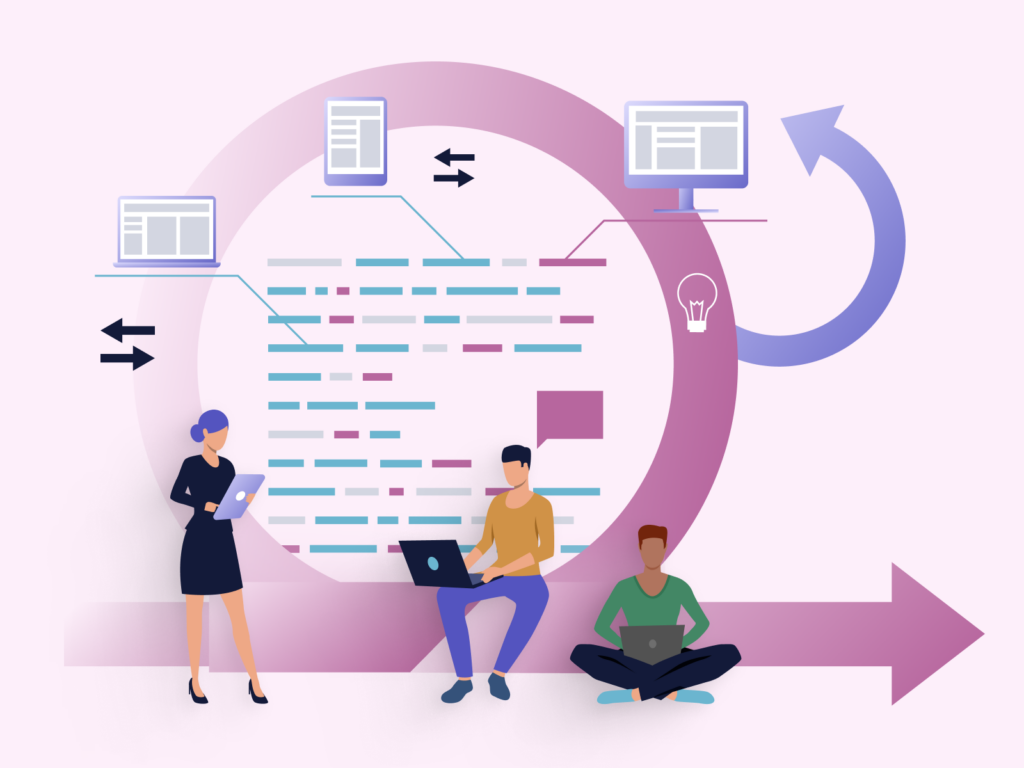
An agile workforce is a team that can adapt to change, welcome new ideas, and do well in uncertain settings. It represents the future of work, where flexibility and strength are key traits that help companies stay competitive in a world that is always changing, and sometimes uncertain.
At its heart, an agile workforce puts speed, efficiency, and teamwork first. That makes it vital when markets shift, tech moves fast, and the economy feels shaky.
Core components of an agile workforce
- Flexibility: Agile teams can shift tasks, roles, or plans without losing output. They are not stuck in rigid systems, so they fit fast-moving industries.
- Agility: Change is part of work. It helps people respond and do well. This includes new tools, roles, or work settings as needed.
- Continuous learning: Ongoing learning keeps an agile workforce strong. Employees build new skills to stay ahead of trends and new needs.
Traditional workforce vs. agile workforce
Aspect | Traditional workforce | Agile workforce |
|---|---|---|
Structure | Hierarchical and rigid | Flexible and team-based |
Decision-making | Top-down, slow to change | Shared, fast |
Skill development | Little focus on ongoing learning | Strong focus on upskilling and reskilling |
Response to change | Reactive, often struggles with uncertainty | Proactive, thrives in unknowns |
Technology integration | Slow to use new tools | Welcomes new tools and tech |
Work environment | Fixed roles, strict schedules | Flexible roles, flexible schedules |
Why Is an Agile Workforce Important?
In today’s fast-moving world of tech leaps, market shifts, and sudden change, agility helps businesses stay steady, adapt fast, and keep moving.
It is not just about surviving change. It is about doing well in it. Agile teams meet challenges with speed and care, which helps companies pivot, seize chances, and stay competitive. As old work models come under strain, workforce agility becomes a key part of long-term success.
Ready to embrace agility? Let’s look at its key benefits.
What Are the Benefits of an Agile Workforce?
1. Organizational flexibility
An agile workforce helps businesses adapt fast to market changes, customer needs, and industry trends. This flexibility cuts downtime during change, boosts efficiency, and helps organizations grab chances with little disruption. It is a smart way to handle uncertainty while staying ahead of rivals.
2. Enhanced workforce productivity
Agile teams put teamwork and efficiency first, with a focus on goals, not rigid steps. That leads to smoother workflows, fewer slow points, and stronger productivity. Employees with the right skills and tools deliver great results, even in fast or uncertain settings.
3. Improved employee retention
Agility creates a lively and engaging work culture where employees feel valued for growth and change. Organizations that invest in workforce agility show they care about long-term success, which lowers turnover and keeps top talent in a tight job market.
4. Higher employee satisfaction
A culture of ongoing learning and flexibility boosts morale by giving people room to grow and cutting burnout. Agile workforces often have flexible schedules and changing roles, which match career goals and give people purpose and belonging.
5. Innovation and creativity
An agile workforce does well through teamwork, testing, and step-by-step problem solving. These traits create a strong base for new ideas, helping organizations build smart solutions, refine processes, and lead their fields in creativity.
6. Strategic resilience
Beyond quick responses, an agile workforce builds long-term strength. It helps companies spot challenges early, reduce risks, and keep steady during hard times, protecting the future in a rough world.
By building an agile workforce, organizations create a workplace that is ready for the future and tied to success.
Key Skills of an Agile Workforce
The backbone of an agile workforce lies in its people. Here are the skills that help these teams do well in changing settings:
Proactivity: Spotting challenges and taking action are hallmarks of an agile workforce. Proactive employees drive new ideas and help businesses stay ahead of disruptions.
Flexibility — The ability to switch tasks, roles, or plans quickly leads to strong output, even during fast change.
Resilience — Doing well in uncertainty takes emotional and work strength. Agile workers bounce back fast and keep things steady.
Competence — A solid base of industry know-how helps employees do their jobs well and with confidence.
Agility — Quickly learning new skills, tools, and steps is key to staying relevant in fast-changing industries.
Collaboration — Teamwork is the glue of agility. Team players help build groups that solve problems together.
Critical thinking — Breaking down problems and finding smart fixes is vital for handling complex work and driving progress.
Digital literacy — In a tech-driven world, comfort with digital tools and platforms brings speed and new ideas.
Emotional intelligence — Empathy, self-awareness, and people skills strengthen relationships and improve work dynamics.
Skill development is the engine of workforce agility. Ongoing learning helps employees stay ahead of industry needs, while regular upskilling gets them ready for future work. By building these key skills, organizations empower people and create a culture of flexibility, teamwork, and success.
The Pillars of an Agile Workforce
Creating an agile workforce goes beyond hiring adaptable people. It needs a base built on strategic pillars that support the core idea at every level. Let’s explore the key pillars organizations must prioritize to support agility:
1. Leadership and vision
Leaders must live the values of agility by accepting change, backing new ideas, and giving clear direction. They help teams face uncertainty with trust and purpose. Good leadership also needs open communication, so employees know the company’s goals and how their work helps more than just their own team. Without a shared vision, even the most flexible workforce can become split and weak.
2. Culture of continuous improvement
A truly agile workforce grows in a culture of learning and progress. Organizations must build a place where employees feel encouraged to try, learn, and grow from mistakes. Continuous improvement is not just about personal growth; it also covers processes, tech, and plans. Regular feedback, open channels, and a focus on upskilling create a workplace that can meet new challenges.
3. Technology and tools
In today’s digital age, tech is a must for agility. From team platforms to AI analytics tools, the right tools help people talk, smooth out work, and support decisions. Agile organizations invest in smart solutions that boost output and give real-time views of workforce trends. Tools like applicant tracking systems (ATS), learning management systems (LMS), and workforce management software help teams adapt to changing needs so no chance is lost.
4. Workforce planning
Agility starts with smart workforce planning. That means not just finding the right talent, but also looking ahead to future needs. Workforce planning includes checking current skill gaps, forecasting demand for key roles, and building pipelines for important positions. Flexible staffing models, such as gig workers or cross-training, add speed and help businesses scale as needed.
5. Metrics for success
What gets measured gets managed. Agility is not just an idea. It is a measurable result. Clear metrics help organizations track progress and spot areas for improvement. KPIs may include employee productivity, flexibility in new roles, project speed, and customer satisfaction. We will cover this in more detail below. Regular reviews show whether agility efforts deliver real results and steady growth.
Strategies to Build an Agile Workforce
Creating an agile workforce doesn’t happen overnight. It takes smart plans, steady work, and a strong promise to stay flexible. Here are practical tips to help turn your team into a strong, future-ready group.
1. Embrace skills-based hiring
The old way of hiring based on resumes and degrees often misses the key skills that help people do well in changing settings. Skills-based hiring focuses on abilities like flexibility, problem solving, and digital fluency.
Start by rewriting job descriptions to show the must-have skills instead of rigid credentials. For example, instead of asking for a marketing degree, ask for data analysis or content strategy skills. Use AI assessments to find candidates with those skills and match them to your company’s needs.
2. Adopt flexible work models
Flexibility is no longer a perk. It is a need. Whether the setup is remote, hybrid, or project based, flexible work models help employees do their best in the settings that fit them.
Using these models takes more than policy changes. Give your team good collaboration tools, set clear expectations, and build a culture of accountability. For example, a hybrid team may use shared calendars and tools like Slack or Microsoft Teams to stay connected while working apart. Flexibility also means supporting freelancers, gig workers, and part-time staff to build a versatile and responsive team.
3. Develop a comprehensive workforce planning framework
Strategic workforce planning is very important for agility. Start by reviewing your company’s current strengths and finding gaps in skills, roles, and resources.
Use data tools to forecast future needs based on market trends, business goals, and possible disruptions. For example, if your field is moving toward automation, get ready for roles that need AI and machine learning skills. Build talent pipelines that mix full-time staff, contractors, and temporary hires to help you scale. This approach helps you pivot fast without losing speed.
4. Prioritize upskilling and reskilling programs
Continuous learning is key to agility. Upskilling builds on the skills employees already have, while reskilling prepares them for new roles.
Start by checking current skill levels and matching them with future business needs. Offer many learning options, including online courses, workshops, and mentorship. For example, a sales team may benefit from data analytics training to improve decision-making. Make learning easy to access by using platforms like LinkedIn Learning or Coursera, and ask managers to set aside time for it.
5. Leverage AI tools for workforce agility
Tech is a game-changer in building agility. AI tools help automate work, improve decisions, and give real-time views of workforce trends.
In recruiting, AI can scan resumes faster, spot high-potential candidates, and predict hiring outcomes. For workforce management, AI tools can forecast workload, track employee performance, and suggest training programs.
Taking the first steps toward agility
Building an agile workforce is about preparation, not reaction. By focusing on the right strategies, you’ll help your organization adapt and succeed in any setting.
Start small, think big, and let agility turn your workforce into a competitive edge.
Challenges of Managing An Agile Workforce
While the idea of an agile workforce is appealing, building and managing one comes with its own hurdles. Noticing these challenges is the first step to solving them and making agility a lasting strength.
Common challenges
- Resistance to change
Adopting agility often needs a culture shift that not all employees or leaders are ready for. Pushback to new processes, tech, or mindsets can slow change work. Long habits and fear of the unknown often make that resistance stronger, turning change management into a hard climb.
- Managing diverse and dispersed teams
With agility comes diversity, not just in skills but also in work setups. Teams may include remote employees, freelancers, gig workers, and part-time staff. Managing such a spread-out group while keeping unity, communication, and output strong is no small task.
- Balancing flexibility with structure
Agility works best with flexibility, but too much can lead to chaos. Without clear rules, guides, and accountability, teams may struggle to prioritize, align, and execute. The challenge is to balance creativity and efficiency.
Solutions to overcome challenges
- Build a culture of change readiness
Start by explaining the why behind agility. Show its benefits and align the team with the company’s goals. Give training to help employees build the skills they need to do well in an agile setting. Celebrate small wins to build confidence, and involve employees in decisions to increase buy-in.
- Use tech for team management
Use team tools to bridge gaps in communication and output for spread-out teams. Set clear expectations and build trust so teams can do well no matter where they work or what type of work they do. AI tools can help spot and fix performance gaps in real time, so no one is left behind.
- Define clear frameworks and guardrails
Agility does not mean no structure. Set clear workflows, goals, and accountability steps to guide teams while leaving room for flexibility. Build frameworks that support fast decisions and adaptability without losing quality or results.
- Build resilient leadership
Leaders play a key role in managing agile teams. Give managers tools and training to lead diverse teams well. Ask them to act as coaches, guiding teams through challenges while supporting teamwork and new ideas.
Managing an agile workforce is complex, but the right strategies can turn these challenges into chances for growth.
Agile Workforce Metrics and KPIs
In the quest for workforce agility, tracking progress is an important step. Metrics and KPIs act as a guide, showing organizations the way to agility and helping them spot strengths, fill gaps, and shape better plans. Without clear measures, agility becomes a buzzword instead of a business edge.
Why metrics matter
Metrics give a clear way to judge how well your workforce shows agility. They let organizations measure results, see the effect of plans, and stay lined up with business goals. Metrics also build openness, offering insights that support data-based decisions.
For example, tracking hiring speed, employee flexibility, and the results of upskilling programs can show whether your team is truly ready to pivot and do well in changing settings.
Key metrics and KPIs for an agile workforce
Time-to-adoption
Measures how fast employees adjust to new tools, steps, or roles. A shorter time-to-adoption shows strong flexibility and a willingness to accept change.
Workforce flexibility index
Tracks the share of employees who can move between roles, projects, or departments. This metric shows how well the workforce can pivot based on business needs.
Employee engagement scores
Measures how engaged and motivated employees are in their roles. Agile teams do well with high engagement, which supports teamwork, new ideas, and resilience.
Upskilling and reskilling completion rates
Tracks the share of people who finish training programs aimed at skill growth. High completion rates show a strong focus on ongoing learning.
Attrition rate
Tracks employee turnover within agile teams. A low or stable attrition rate shows that employees are happy with the mix of flexibility, growth, and structure.
Project turnaround time
Measures how fast teams finish projects or shift with new priorities. Faster turnaround times show strong workforce planning and agility.
Employee net promoter score (eNPS)
Shows how likely employees are to recommend the company as a good place to work. A high eNPS reflects satisfaction with the company’s agility efforts.
To build and keep an agile workforce, metrics should be more than numbers. They should lead to action. For example, if your workforce flexibility index is low, broaden training programs or add cross-functional chances. If project turnaround times are slow, review team setup or workflow.
By stressing the value of metrics, organizations get a clear view of workforce agility and build a culture of steady improvement.
Conclusion
Building an agile workforce is a long-term plan for handling uncertainty, seizing chances, and doing well in a world that never slows down. By building and supporting a culture of agility, organizations can help teams not only meet hard tasks head-on but also reshape what success means. It is not about perfection. It is about progress and the power to shift with purpose.
As businesses invest in agility, the real edge will be their ability to balance flexibility with focus, new ideas with steady action, and freedom with accountability. Whether through skills-based hiring, tech, or a mindset of ongoing learning, the path ahead is clear: agility is not just a workforce trait; it is a must for the whole company. The future of work is here. Are you ready to lead it?
FAQs
What is an agile workforce?
An agile workforce is a flexible, adaptable group of employees who can respond fast to business changes. It puts flexibility, ongoing learning, and teamwork first to help organizations stay strong, creative, and competitive in a fast-moving talent and market landscape.
Why is an agile workforce important for modern organizations?
An agile workforce helps companies respond fast to shifting customer needs, tech, and market conditions. It cuts risk, lifts productivity, and supports new ideas, which helps businesses stay ahead while keeping steady in uncertain times.
What are the benefits of building an agile workforce?
An agile workforce drives faster decisions, cross-team teamwork, and higher employee engagement. It boosts business stability, talent retention, and innovation, and it improves company performance and flexibility in a competitive setting.
What key skills define an agile workforce?
Key skills include flexibility, problem solving, teamwork, digital literacy, and emotional intelligence. Employees with these skills can shift fast, use new tools and steps, and add value across teams and projects.
What are the core components of workforce agility?
The core parts include flexible roles, ongoing learning, data-based decisions, and a culture that values teamwork and empowerment. Together, these pieces support faster work, better business fit, and stronger workforce resilience.
What are the core pillars of an agile workforce?
The main pillars are flexibility, empowerment, openness, and new ideas. They create a base where employees feel trusted, linked, and ready to adapt to changing needs without losing quality or speed.
How to build an agile workforce?
To build an agile workforce, companies must rethink structures and give employees the power to make fast, informed choices. This includes agile HR practices, ongoing learning programs, and tech that improves visibility and teamwork across groups.
What are the main challenges of managing an agile workforce?
Managing an agile workforce can be complex because roles shift, decisions are shared, and skill gaps can appear. It takes strong leadership, open communication, and tech that supports teamwork, visibility, and accountability.
How does skills-based hiring support workforce agility?
Skills-based hiring focuses on abilities rather than titles, which makes it easier to move people into the right jobs. It builds a varied, future-ready workforce that can meet changing business needs with more flexibility.
What type of training enhances workforce agility?
Ongoing learning programs focused on digital skills, teamwork, leadership, and change management improve agility. These programs help employees adapt, innovate, and stay productive as tech and markets change.
















